
The Architecture of Human Decision Making (Human Mind Series Part 1)
Part One of the Human Mind Series, The Architecture of Human Decision Making, uncovers the hidden systems that shape how we think and choose. It reveals the emotional, cognitive, and environmental forces that influence our decisions long before we’re aware a choice is being made. This opening chapter lays the foundation for understanding the mind as a structured, dynamic system, one we can learn to observe, question, and ultimately redesign.
HUMAN MIND SERIES
enoma ojo (2026)
2/13/20265 min read
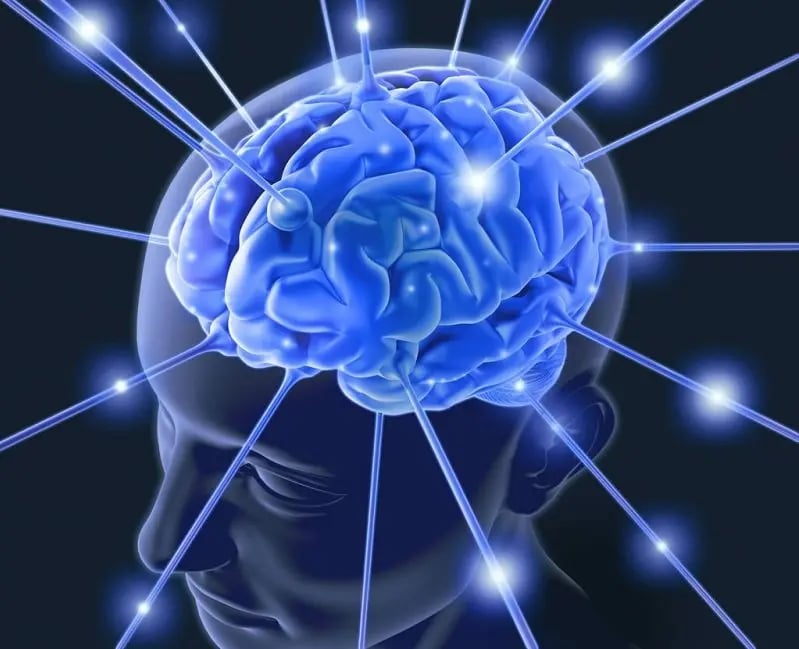
Human decision-making is often imagined as a simple act of choosing, but beneath every choice lies a complex architecture shaped by biology, memory, environment, and social context. This part series opens by challenging the myth of the purely rational decision maker, revealing that most decisions are constructed long before we consciously recognize them. At the foundation of this architecture is the human brain’s evolutionary design. Our neural systems were built for survival, not modern complexity, meaning many decisions are guided by instinctive processes optimized for speed rather than accuracy. These ancient mechanisms still influence how we respond to risk, reward, and uncertainty.
Emotion plays a central role in shaping decisions. Far from being irrational noise, emotions act as rapid data processors, signaling what matters, what threatens us, and what aligns with our internal values. The article emphasizes that emotional intelligence is not separate from decision-making; it is embedded within it. Cognitive biases form another layer of the decision‑making structure. Biases such as confirmation bias, loss aversion, and availability heuristics operate as mental shortcuts that help us navigate complexity but often distort judgment. These biases are not flaws but adaptive tools that can misfire in modern environments.
Memory also shapes decisions in powerful ways. The brain does not store experiences as neutral facts; it stores them as emotionally weighted narratives. These narratives influence how we interpret new information, how we assess risk, and how we predict future outcomes. Social context forms a critical external layer of the architecture. Humans are deeply social creatures, and our decisions are influenced by norms, expectations, and the behavior of others. Even choices we believe are independent often reflect invisible pressures from culture, community, and identity. The environment plays a decisive role in shaping choices. The article explains that decisions are not made in a vacuum—they are made inside systems designed by institutions, technologies, and economic structures. These systems can either support good judgment or quietly undermine it.
Scarcity, whether of time, money, attention, or emotional bandwidth, distorts decision-making by narrowing cognitive capacity. When people operate under pressure, they rely more heavily on instinct and bias, making short‑term choices that may conflict with long‑term goals. Modern technology introduces new layers of influence. Algorithms, notifications, and digital environments are engineered to capture attention and shape behavior. The article argues that technology does not merely reflect our decisions; it actively participates in constructing them. Identity also plays a powerful role in decision-making. People make choices that reinforce who they believe themselves to be, or who they fear becoming. This identity‑driven decision-making explains why individuals sometimes choose consistency over logic.
The Human Mind Series highlights the tension between autonomy and influence. While people believe they are independent decision makers, the architecture of choice reveals that autonomy is often shaped by forces outside conscious awareness. Recognizing these forces is the first step toward reclaiming agency. The architecture of decision-making also includes moral and ethical dimensions. Choices are influenced by values, upbringing, and cultural narratives about right and wrong. These moral frameworks guide behavior even when they conflict with personal desires or external incentives. The article argues that improving decision-making requires redesigning environments, not just teaching individuals to “try harder.” Systems that reduce cognitive load, increase clarity, and support emotional safety lead to better decisions across all domains of life.
Awareness becomes a transformative tool. When individuals understand the architecture behind their decisions, they gain the ability to pause, reflect, and choose with intention rather than habit. This awareness shifts decision-making from reactive to deliberate. The article concludes by positioning decision-making as both a personal and societal challenge. To build healthier communities, institutions, and relationships, we must understand the hidden architecture shaping human behavior. Part 1 of the Human Mind Series sets the foundation for exploring how the mind works, and how we can design environments that support better choices, deeper connections, and more intentional living.
The architecture of human decision making is not fixed; it is shaped, reinforced, and redesigned every day by the choices we make and the environments we build. If we want to think more clearly, choose more wisely, and live more intentionally, we must begin by understanding the forces that shape us. Let this be your invitation to slow down, examine the patterns beneath your choices, and reclaim the agency that modern life quietly erodes. The revolution begins with awareness—and awareness begins with you. Every decision you make is a doorway into the deeper architecture of your mind. As you move forward, resist the temptation to accept your choices as automatic or inevitable. Instead, pause long enough to ask: What is shaping me? What is influencing me? What is guiding me? The more you understand the structure beneath your decisions, the more capable you become of reshaping your life with intention. Part 1 is only the beginning; continue the journey with a mind willing to question, reflect, and evolve.
Understanding the architecture of human decision making is not just a personal exercise; it is a civic responsibility. Leaders, educators, creators, and community builders must design environments that support clarity, reduce cognitive strain, and strengthen human connection. As you step into the next part of this series, commit to becoming a steward of better decisions, your own and those of the people you influence. The systems we build today will shape the minds of tomorrow. We began with a simple but unsettling truth: every decision rests on an unseen architecture shaping us long before we act. Now, as we close this first series, the invitation is to return to that truth with sharper eyes and a more honest awareness. The structures beneath your choices, your emotions, memories, biases, environments, and pressures, are not fixed walls but living frameworks that can be examined, questioned, and redesigned. If the opening asked you to look beneath the surface of your decisions, the closing asks you to do something braver: step into that architecture and begin shaping it with intention. The next parts of this series will take you deeper, but the work begins here, with the courage to see your mind not as a mystery, but as a system you can learn to understand and transform.
As we move from the structural blueprint of how decisions are formed to the forces that distort, compress, or reshape those decisions, the next chapter turns toward one of the most powerful and least understood influences on the human mind: Scarcity. If Part 1 revealed the architecture, Part 2 reveals what happens when that architecture is placed under pressure, when time is short, resources are thin, uncertainty is high, and the mind must navigate the world with less than it needs. Scarcity doesn’t just change what we choose; it changes how we think, what we notice, what we fear, and what we ignore. In Part 2, we step into the psychological terrain where survival instincts collide with modern complexity, and where the mind’s elegant design becomes both its strength and its vulnerability.
Written by Enoma Ojo (2026) for Inquiry & Insight: where clarity, courage, and human understanding meet.